The Range of Roofing Equipment
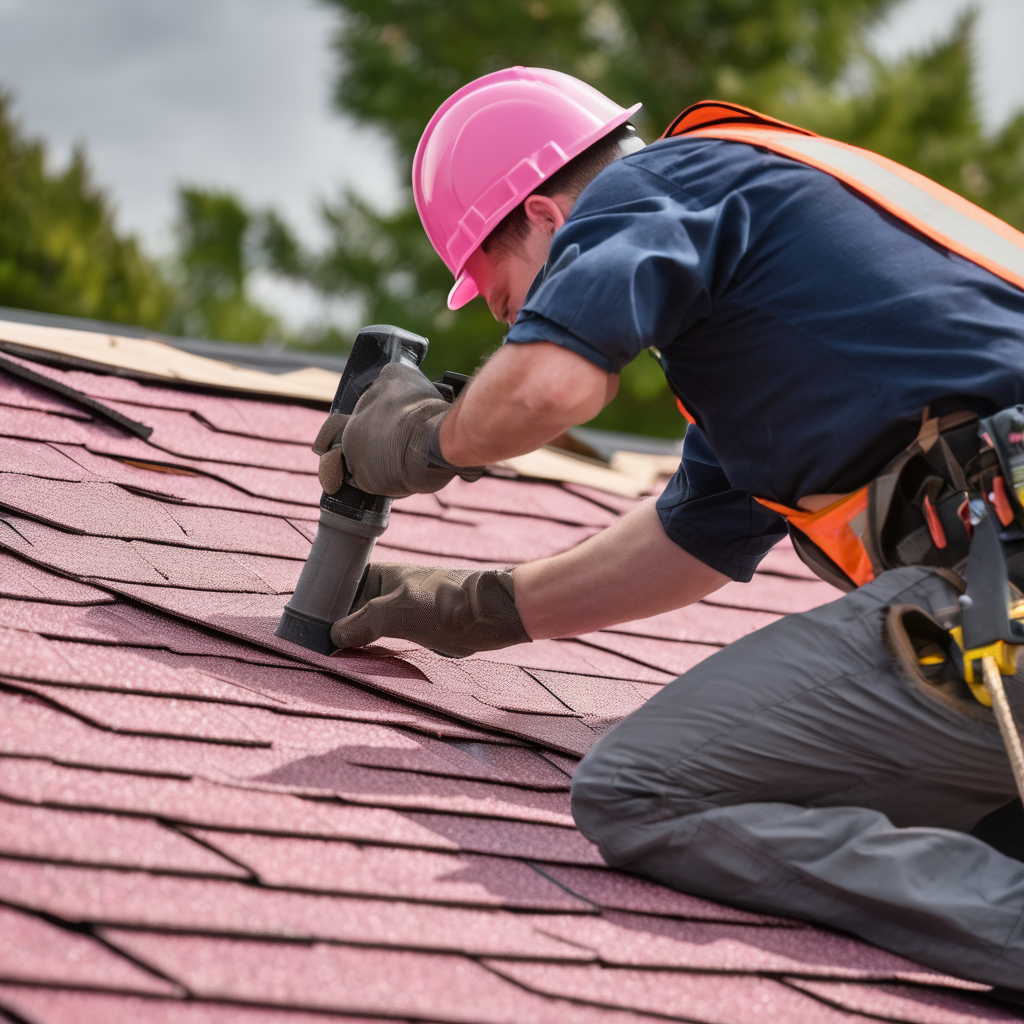
The scope of equipment used in professional roofing work spans far beyond a single tool or category. Every roofing project—whether a full replacement, targeted repair, or routine maintenance—draws on a constellation of specialized equipment, each selected for its specific role in the work. Understanding this range matters not as a theoretical exercise, but because the right equipment selection determines safety, efficiency, and quality outcomes on every job. A project that appears straightforward on the surface may require a dozen different tools, each governed by its own maintenance standards, safety protocols, and proper use conditions. We have organized roofing equipment into functional categories so you can understand how the pieces work together and what to expect when you evaluate contractors or undertake your own assessment of what a job will require.
Next Step: Evaluating Equipment Grade
Roofing work involves both hand tools and power equipment, each rated for different load classes and usage intensities. The grade of equipment you encounter—whether labeled consumer, contractor, or industrial—affects its durability, safety limits, and expected lifespan. Most professional roofing contractors operate with contractor-grade and industrial-grade equipment because consumer-grade tools fail under repeated use in field conditions. The distinction matters when you are comparing contractors' capabilities or assessing whether to invest in tools for your own work, because a low-grade tool is not simply a budget choice—it is also a reliability and safety liability.
How to Use This Guide
- Identify the type of roofing work you are evaluating: replacement, repair, or maintenance. Each category has its own equipment constellation.
- Cross-reference the equipment types listed in each category against the contractor's stated capacity and the manuals provided for the specific project.
- Verify that any equipment listed has current inspection tags and certification where applicable. Equipment without current tags should be treated as out of service.
- Ask about the maintenance interval for each tool type. A contractor who cannot tell you when their ladders were last inspected has a gap in their safety program.
- Match the equipment grade to the scope of work. Simple repairs may call for contractor-grade tools; complex or high-load projects require industrial-grade equipment.
Common Sticking Points
- Why does equipment grade matter if the tool does the same job? A consumer-grade ladder rated for 200 pounds distributed load may fail or slip under real-world conditions where a contractor-grade ladder rated for 300 pounds distributed load succeeds. The rating is not a theoretical value—it is the maximum the equipment is certified to handle, and a contractor whose equipment barely meets the load requirement has no safety margin left if the load is distributed unevenly or if the equipment has degraded slightly.
- Can a contractor substitute rental equipment for their own? Yes, and many do for specialized work. Verify that rental equipment comes with current inspection tags and that the rental company's maintenance records are available on request. Not all rental operations maintain their equipment to the same standard.
- What makes equipment "industrial grade" rather than "contractor grade"? Industrial equipment is rated for continuous or very frequent use, has more robust materials, higher load ratings, and more frequent inspection requirements. It is the choice for high-volume operators or extremely demanding conditions.
The Key Figures
- 6
- Primary roofing tool categories: access (ladders, scaffolding), fastening (nailers, fastener holders), measurement (levels, squares), cutting (saws, shears), prying and removal (prybars, shovels), and safety (harnesses, fall protection). A professional operation maintains current equipment across all six.
- 200–300
- Typical distributed load rating range, in pounds, for contractor-grade portable ladders. This is the maximum safe working load when properly set up on a stable surface. Exceeding this rating, even by small increments, voids the equipment's safety certification.
- 2–3
- Years, the typical interval between mandatory recertification inspections for scaffolding and fall-arrest systems used in professional roofing work. Equipment without current certification should not be used.
- 15–20
- Percentage of project cost that equipment represents in a typical roofing replacement. A contractor who seems to have inadequate equipment for the scope of work is likely cutting corners on other aspects as well.
Watch: what the trade prioritises
Five maintenance habits that change how long a given piece of equipment stays serviceable.